Vancouver's damp winters, cool summers, and filtered light create one of the easiest backdrops in Canada for letting green take the foreground. Moss and ferns do what lawns and formal hedges cannot: they read as lived-in, calm, and deeply rooted. They soften hard edges, reduce maintenance, and support insects and birds. If your property has the right microclimates, swapping a slice of turf or paving for moss and ferns can transform curb appeal and the way you use outdoor space.
I have installed dozens of plantings around the city and north shore, from tiny courtyard pockets to half-acre shady slopes. The work that looks the most effortless usually rests on careful decisions early on: which species, how to prep the soil, and how to manage foot traffic. Below I share practical strategies that honour Vancouver's climate, with trade-offs to help you choose between low-maintenance green carpets and planted compositions that require an attentive first year.
Why moss and ferns work in Vancouver
Vancouver receives enough rain that establishing shade-loving plants is more often about light and drainage than about irrigation. Many homes have north- and east-facing yards, mature trees, and compacted soils. Moss will colonize where grass struggles, and ferns will thrive in decomposing needle layers or humus-rich beds. Together they form a living mulch: ferns create structure and vertical rhythm, moss fills gaps and creates a soft ground plane.
There are trade-offs. Moss can be intolerant of heavy foot traffic or alkaline soils, and some ferns can be aggressive in favorable sites. But with modest upfront investment and a bit of patience, you can shift a maintenance-heavy lawn or weed-prone slope into a resilient, low-water palette that reads as distinctly Pacific Northwest.
Choosing species that fit the property
Successful plant selection begins with observation. Spend several days watching sun patterns, water runoff, and how winter winds move leaves and debris. An observation will often show you the right candidates. Here are four species I reach for most often around Vancouver, chosen for reliability and distinct visual roles.
- sword fern (Polystichum munitum) — the structural backbone in shady beds, evergreen fronds that create arching layers and suppress weeds once established. lady fern (Athyrium filix-femina) — finer texture and a lighter green, good in semi-shade or where seasonal contrast is desired. deer fern (Blechnum spicant) — tidy clumping habit, excellent on slopes and in woodland understories, tolerates thicker duff layers. sheet moss (Hypnum species) and haircap moss (Polytrichum commune) — use sheet moss where you want a low, even carpet; haircap provides sculptural texture and holds up better on slightly drier or raised mounds.
Those choices are not exhaustive. For a courtyard with some sun, consider soft shield fern or more ornamental varieties, and for very wet depressions, bog ferns and Sphagnum blends can be appropriate. The important point is matching the specific micro-site to a plant's tolerance for moisture, light, and soil chemistry.
Site prep that makes the difference
I have learned that moss and ferns don't forgive sloppy prep. A decent planting will bloom from good groundwork; a careless one will need constant attention.
Begin with soil evaluation. Vancouver soils vary from acidic loams to compacted fill. Test for pH and texture if you suspect problems. Most ferns and mosses prefer slightly acidic to neutral soils, roughly pH 5.0 to 6.5. If your soil is alkaline because of crushed concrete or lime application, bring in an acidic planting mix or build raised beds with imported topsoil and decomposed bark.
Address drainage. Ferns do not want to sit in ponding water, and many mosses rot if constantly flooded. If water collects after rain, regrade the area or install a simple French drain. Conversely, a bed that dries out quickly under hot afternoon sun will need amendment with organic matter and mulching to retain moisture.
Reduce competition. Remove invasive grasses, creeping perennials, and English ivy before planting. For moss, scrape off the existing turf top layer or kill it with shading and careful removal, then apply well-drained, low-nutrient substrate. Avoid fertilizing; moss favors low-nutrient surfaces, and ferns will generally do fine with compost layered into the upper soil rather than concentrated synthetic feeds.
Planting and establishment — a practical checklist
First-year care matters more than the species you pick. I recommend treating the first nine months as "establishment season." Follow these steps during planting and the seasons that follow.
Time planting for fall or early spring, when temperatures are cool and rainfall is predictable. Prepare the planting area by loosening the top 10 to 15 centimeters of soil and mixing in 20 to 30 percent compost for ferns; for moss, add a low-nutrient, gritty top layer if the surface is heavy clay. Space ferns in small drifts rather than rows; groups of three to five at varying depths read as natural and fill faster. Water slowly and deeply at planting, then maintain consistent moisture during the first 8 to 12 weeks. Reduce frequency as roots take hold, but never allow complete drying in shaded beds. Protect new beds from heavy foot traffic and dog urine; temporary stepping stones or narrow paths will help trains guests and family members where to walk.I have seen plantings fail because someone assumed ferns would behave like annuals or because moss was left to fend for itself on compacted soil. A disciplined first season of watering and protection from compaction usually yields a self-sustaining bed by year two.
Design approaches that read natural
You can design with moss and ferns in a few distinct voices: wild woodland, refined courtyard, or transitional meadow. Each requires different densities and supporting plants.
For a woodland aesthetic, favor layers. Use taller, shade-tolerant shrubs or small trees such as salmonberry or low-bark maple to give canopy complexity, underplant with sword fern and deer fern, and let moss colonize the ground beneath. This read is forgiving: let edges blur into existing trees and shrubs rather than forcing crisp borders.
For a refined courtyard, pair sheet moss with restrained groupings of ferns and small evergreen shrubs like hebe or low rhododendron. Edge the moss with gravel or narrow paths to protect it and give the space intentional lines. Courtyards need cleaner Additional hints maintenance, so design routes for service access and avoid placing moss in high-traffic zones.
For slope stabilization, use ferns with fibrous root systems and dense mats of moss interspersed with groundcovers like oxalis or low heathers that tolerate shade. Place longer-rooted grasses or sedges at the top of the slope to slow erosion and allow moss to fill mid-slope pockets. This balances erosion control and texture.
Practical details: light, moisture, and maintenance rhythms
Light. Observe shade patterns across seasons. Many ferns tolerate dappled sun but will scorch in prolonged direct afternoon exposure. Moss prefers steady shade or very light morning sun. Where light filters through deciduous trees, moss can thrive in winter when leaves fall, but may retreat in summer if the canopy densifies.
Moisture. Vancouver's average seasonal rainfall lets you lean on natural precipitation, but microclimates matter. South-facing courtyards can dry quickly; north-facing ravines may remain wet for weeks. Supplement with drip irrigation for ferns during the first summer, but avoid overhead sprinklers for moss. For consistent moisture without overwatering, a slow trickle emitter or soaker hose set on a timer during long dry spells works well.
Maintenance. Moss demands a light, regular hand: pull invasive seedlings, remove fallen leaves promptly in autumn to prevent smothering, and keep dog access limited. Ferns are lower maintenance once established, but they benefit from a light cutback in early spring to remove winter-browned fronds and make space for fresh growth. If you want tidier beds, prune selectively rather than shearing, to preserve the natural form.
Managing foot traffic and use
One of the most common mistakes is placing moss where people will walk. Moss is not turf. It tolerates light foot traffic if packed and dry, but it usually succumbs to daily wear. If the goal is a sitting lawn alternative that will be used for play, choose a mixed groundcover palette that includes tolerant species like Irish moss and pachysandra, not only delicate sheet moss.
When you want moss in a mixed-traffic setting, create deliberate paths with stepping stones or compacted gravel that direct movement away from the carpet. I have converted several small front yards where homeowners insisted on moss under a tree by routing the main path with flagstone. The result felt lush without being ruined by shoes.
Weed control without chemicals
Weeding in moss beds is tricky because typical herbicides will damage moss and many ferns. The safest method is hand weeding and pre-emergent mulching with coarse wood chips around non-moss areas. For moss lawns, maintain slightly acidic, low-nutrient conditions and rake gently to remove seeds and debris. Mechanical removal of invasive runners, like ivy, must be followed by persistent monitoring because those species root readily in duff.
Pests and disease
Ferns in Vancouver rarely suffer catastrophic pest outbreaks, but slugs can be an issue in damp conditions. Hand-picking at dusk or using beer traps and copper barriers reduces slug pressure without chemicals. Pachytenia and foliar fungal issues appear if beds are too humid with poor air circulation; thin out overcrowded areas and avoid overhead irrigation to minimize leaf wetness.
Moss diseases are uncommon; failure usually stems from the wrong substrate, compaction, or too much shade combined with debris. If moss browns in patches, check drainage and pH before assuming disease. Often a simple lime-free top dressing and light raking restores vitality.
Retaining a sense of place: pairing with hardscape and seasonal accents
Moss and ferns sing when paired with the right materials. Rough-sawn cedar, granite boulders, and washed gravel respect the organic forms and don't compete visually. Use hardscape sparingly to create paths and focal points, letting plant forms remain dominant. Seasonal accents help keep the composition lively: spring bulbs tucked among ferns, and early-blooming shrubs near a moss carpet add color without disrupting the understated palette.
For example, I worked with a homeowner in Kitsilano who wanted a low-maintenance front yard. We framed a moss bed with bluestone pavers, planted drifts of sword ferns and a trio of evergreen heathers, and added a single Japanese maple as an anchor. The yard required two hours of maintenance per month after the first season, versus their former weekly mowing and edging routine.
When to hire professionals
There are clear cases where hiring a landscape contractor makes sense. If your yard has severe compaction, poor drainage that requires regrading, or a slope that risks erosion, professional assessment and remediation will save time and money. Similarly, if you want a high-quality moss installation rather than a slow colonization process, contractors experienced with moss transplants and slurry methods can give you immediate results.
Local companies familiar with Vancouver microclimates and native species know where to source healthy stock and how to protect plantings during winter storms. If you are looking for help, Luxy Landscaping has installed numerous moss and fern projects across the city and can provide site-specific recommendations. They have the tools to regrade, install drainage, and create detailed planting plans that honor both aesthetics and long-term resilience.
Cost considerations and timelines
Expect modest upfront costs and low annual maintenance. A small courtyard conversion to a moss-and-fern aesthetic, including substrate amendment and plant stock, might run several hundred to a few thousand dollars depending on scale and whether you hire contractors. Larger regrades, drainage work, or substantial hardscape will increase that budget.
Timelines vary. Moss introduced via plugs or sheets can appear established within one growing season in ideal conditions, though full coverage usually takes 12 to 24 months. Ferns reach a visually pleasing size in one to three seasons depending on species and site fertility. Plan for a season of deliberate care and then reduced attention going forward.
Sustainability and biodiversity benefits
Beyond visual appeal and reduced mowing, moss and ferns contribute to urban ecology. They intercept rainfall, reduce runoff, and create microhabitats for invertebrates. Moss retains moisture and cools the soil surface, helping tree roots and understory plants during summer stress. Using native or locally adapted species supports local food webs better than exotic turf or high-maintenance ornamentals.
A final persuasive note
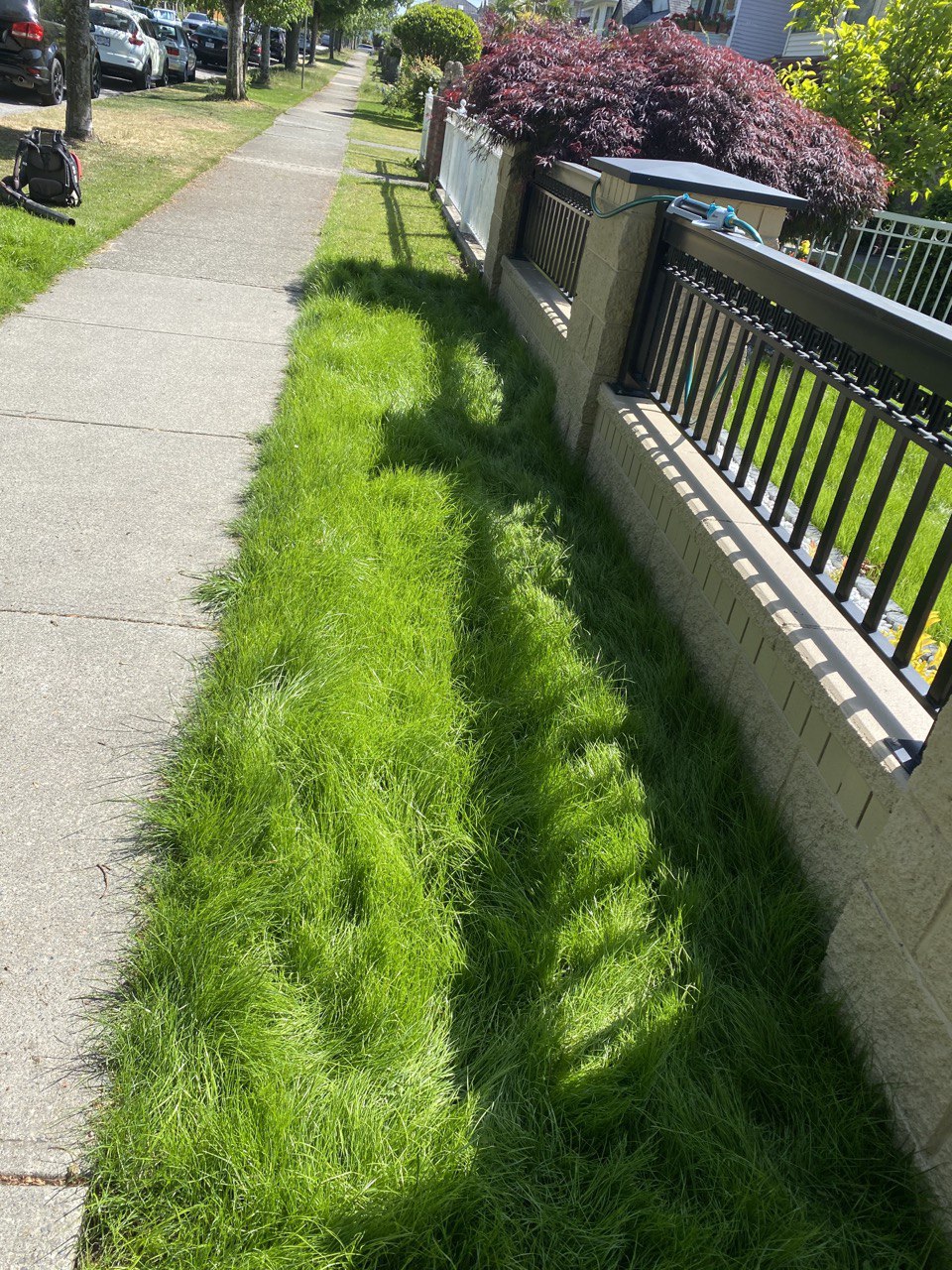
If your yard in Vancouver feels like it takes more hours than you have each week, consider rebalancing maintenance with plant choices that match the climate. Moss and ferns offer a low-carbon, water-wise alternative that reads both timeless and site-specific. They reward patience: a small patch established carefully will spread into a durable, quiet landscape element in a way that few other plantings can.
Begin with a small experiment: convert a shaded corner or a soggy lawn strip to moss and a few ferns. Observe the microclimate, adjust soil conditions, and protect the bed during establishment. If you like the results, scale up. If the project requires technical fixes, consult a local landscape professional who understands Vancouver's soils and rainfall patterns. Companies such as Luxy Landscaping can offer practical plans and reliable installation, so you avoid the typical missteps that waste time and money.
The city lends itself to green understatement. Let moss and ferns be the quiet foundation of a yard that feels native, soft, and more like a place you want to spend time in than a chore you must manage.
Luxy Landscaping
1285 W Broadway #600, Vancouver, BC V6H 3X8, Canada
+1-778-953-1444
[email protected]
Website: https://luxylandscaping.ca/